Find Electronics Recycling for Data Protection
Sustainable Solutions: How E-Waste Recycling Services Are Saving Our Planet
Electronic waste presents serious dangers to the environment, as disposed electronics frequently harbor hazardous substances. These toxic materials have the potential to taint soil and water sources, resulting in widespread environmental harm. E-waste recycling services present a viable solution. They successfully retrieve useful resources while simultaneously minimizing environmental pollution. Comprehending the operation of these services and their influence on communities is of great importance. Pursuing efficient e-waste management brings forth pressing questions regarding individual duties and shared responsibility. What measures can be pursued from this point onward?
Why E-Waste Poses a Threat to the Planet
Even though technology enhances modern life, e-waste poses significant environmental threats. Disposed electronic equipment, often containing hazardous materials such as lead, mercury, and cadmium, are capable of seeping pollutants into the surrounding soil and water supply, creating hazards for ecosystems and human health. The accelerating rate of technological innovation results in increased consumer turnover of electronics, exacerbating the accumulation of discarded electronic materials.
Landfills, already burdened with waste, struggle to accommodate the growing volumes of discarded gadgets. Incineration, another disposal method, releases harmful pollutants into the atmosphere, contributing to air quality degradation. Moreover, poor recycling procedures can cause e-waste to be sent to developing regions, where employees may disassemble electronics without sufficient safety precautions, leaving them vulnerable to harmful substances. This pattern of negligence and mismanagement highlights the critical demand for eco-friendly recycling alternatives that can reduce the damaging impact of electronic waste on the environment.
What Is E-Waste and Why Does It Matter?
E-waste, or electronic waste, comprises obsolete electronic products including televisions, computers, and See more smartphones that have exceeded their operational lifespan. This growing category of waste is significant owing to its accelerating volume, driven by technological advancements and consumer trends. With an increasing number of devices reaching obsolescence, the environmental impact intensifies, with toxic materials such as lead, mercury, and cadmium threatening both ecosystems and public health.
Addressing e-waste is crucial not only for reducing these dangers but also for acknowledging the precious materials found within it. Precious metals and rare earth elements can be recovered and reused, reducing the need for mining and conserving natural resources. By understanding e-waste and its implications, individuals and organizations can make informed decisions about disposal and recycling, ultimately contributing to a more sustainable future. Responsible management of e-waste plays a key role in supporting a circular economy and championing environmental stewardship.
How E-Waste Recycling Works
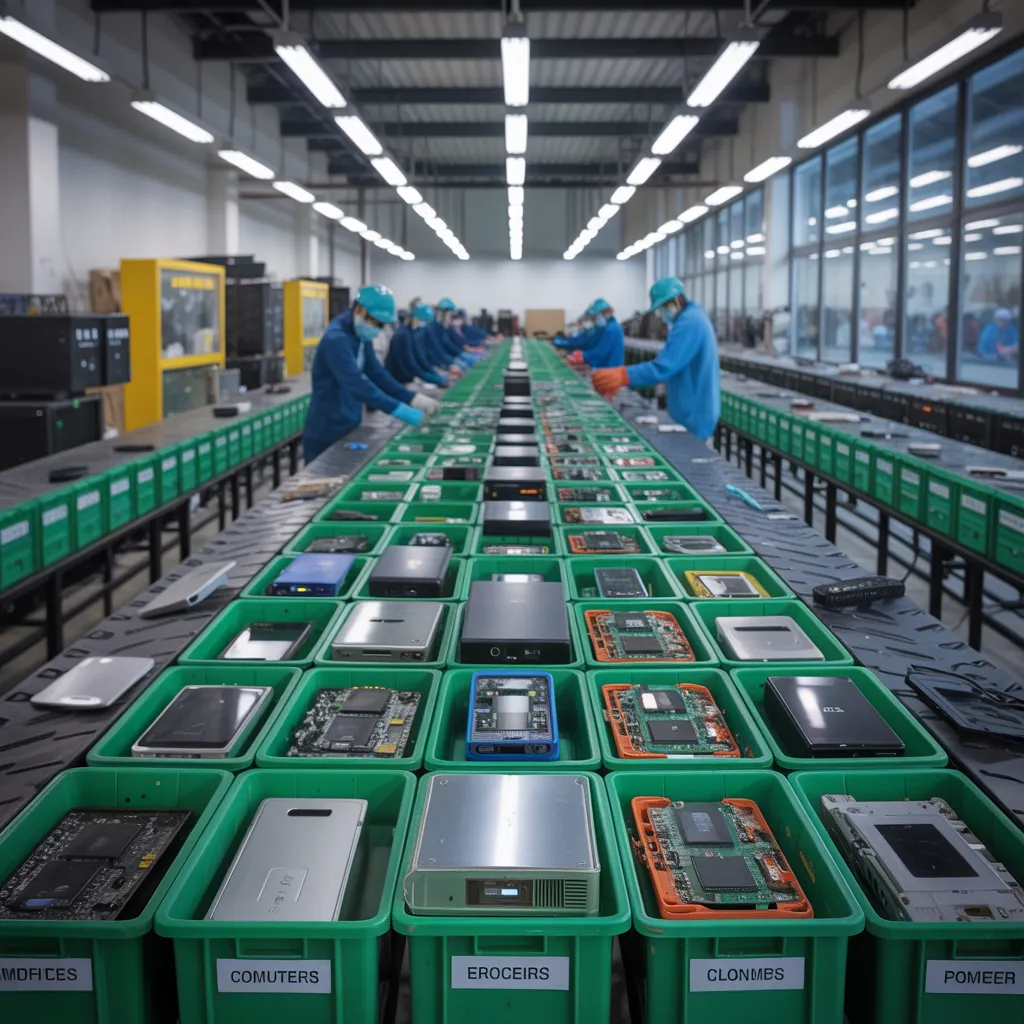
E-waste recycling entails a structured approach designed to recover valuable materials while minimizing environmental impact. Initially, electronic waste is gathered and delivered to dedicated processing centers. After reaching the facility, the equipment is meticulously organized to distinguish harmful elements from reusable resources.
After this step, specialists take apart the items, recovering metals, plastics, and glass. This stage is crucial, as it enables the retrieval of precious metals like gold, silver, and copper, which may be utilized in new electronic devices.
Afterward, the sorted materials are processed via cutting-edge techniques, such as shredding and specialized chemical treatments, to purify them for repurposing.
In the final step, the remaining dangerous materials are managed properly, complying with environmental guidelines. This multi-step approach not only conserves resources but also minimizes the hazards associated with improper e-waste disposal, ensuring a more sustainable future for electronic device usage.
The Benefits of E-Waste Recycling for You and Your Community
While many individuals may not realize it, the positive effects of e-waste recycling extend beyond personal convenience to positively impact entire communities. By responsibly disposing of electronic waste, individuals play a role in creating a cleaner environment, minimizing hazardous materials that can seep into soil and water. This forward-thinking practice actively safeguards local ecosystems and supports public health.
Moreover, electronic waste recycling supports workforce growth within communities. Nearby recycling establishments regularly need employees for diverse activities, spanning collection through processing, thus generating valuable job opportunities for local residents. This not only strengthens the regional economy but also encourages community engagement in sustainable practices.
In addition, understanding of e-waste recycling may result in educational initiatives, encouraging residents to pursue greener alternatives. By taking part in e-waste recycling programs, individuals promote a culture of sustainability, inspiring others to do the same. In summary, the cumulative impact of these actions can result in a more sustainable and conscientious community.
How to Choose an E-Waste Recycling Service
Picking the right electronic waste recycling provider is vital for ensuring that electronic refuse is handled responsibly and sustainably. Initially, individuals should check the company's credentials, such as e-Stewards or R2, which signify compliance with established benchmarks for responsible recycling methods. Additionally, it is advisable to evaluate the organization's reputation by reading customer reviews and seeking advice from dependable sources.
Moreover, transparency in the recycling process is vital. A reliable provider should provide clear information about the way e-waste is handled and how the materials are utilized. Moreover, evaluating the range of services offered can be beneficial; various firms may supply retrieval services or extend benefits for recycling.
Furthermore, being aware of regional rules concerning e-waste disposal can help inform the evaluation process. By prioritizing these factors, consumers can play a role in responsible e-waste disposal while supporting environmentally responsible practices.
Ways You Can Participate in E-Waste Recycling?
Participating in e-waste recycling can start at the local level, where community recycling hubs frequently offer essential services for responsible disposal. Moreover, joining community awareness campaigns can enhance efforts to inform others regarding the importance of ethical e-waste practices. Such efforts not only advance environmental sustainability but also foster a collective sense of stewardship of the environment.
Community Recycling Locations
Several regional recycling hubs perform an important function in electronic waste recycling, providing communities with accessible options to discard electronic waste in an eco-friendly way. These hubs welcome a wide array of electronic devices, including used computers, handheld devices, and televisions, verifying that toxic materials are disposed of safely. Most stations have qualified professionals who can guide individuals on proper disposal methods, stressing the significance of recycling instead of landfilling. In addition, many centers offer organized drop-off opportunities or appointed collection periods, making it easy for residents to participate. By utilizing these local services, community members advance a circular economy, minimizing ecological impact and fostering sustainable behaviors. Working alongside these hubs empowers communities to take action against e-waste pollution effectively.
Community Outreach Campaigns
Nearby organizations, schools, and enterprises can collaborate to host events that promote e-waste collection drives. Volunteers can play a pivotal role in spreading awareness, distributing educational materials, and engaging with the community. By means of these joint initiatives, residents become more informed and motivated to recycle their electronic waste, thus playing a meaningful role in creating a more environmentally responsible future.
Common Questions and Answers
What Types of Electronics Can Be Recycled?
A wide range of electronics may be recycled, including laptops, televisions, smartphones, printers, computers, and gaming consoles. In addition, peripherals such as mice, keyboards, and batteries are equally appropriate for recycling, promoting eco-friendly conservation initiatives.
Is There a Cost Associated With E-Waste Recycling?
Indeed, electronic waste recycling may involve fees, subject to the service provider. Some facilities apply costs for pickup or handling, while others offer free services, typically funded by the proceeds from salvaged materials.
How Do Businesses Gain From E-Waste Recycling?
Companies can take advantage of e-waste recycling by lowering disposal expenses, strengthening their ecological standing, adhering to regulatory requirements, extracting valuable resources, and creating potential earnings via resale, thereby fostering a more environmentally responsible business approach.
What Becomes of Data on Recycled Devices?
Details from refurbished equipment is commonly permanently erased or destroyed during processing. This guarantees sensitive information remains secure, preventing unauthorized access while permitting materials to be reused safely and responsibly in new products.
Are Broken Electronics Eligible for Recycling?
Indeed, non-functioning electronics may be recycled. Several collection points accept defective devices, guaranteeing proper disposal and extraction of useful materials. This helps decrease the environmental footprint while supporting sustainable recycling habits to control electrical waste effectively.